

Kallista + Robern / Kohler Co. · Digital Transformation

Turning Enterprise Complexity Into One Coherent Digital Experience

Kallista and Robern were being brought together under one brand and one website—but the challenge extended far beyond combining two digital properties.

The new experience needed to support roughly 7,000 SKUs across 71 collections and 14 product categories, accommodate two fundamentally different product architectures, and work within Kohler's enterprise technology and data infrastructure — all while serving designers, showrooms and other professional customers, preparing the business for future ecommerce, and expressing a luxury brand identity that was itself still being developed.

I led the brand-side digital experience across the program, working between executive leadership, UX, product, sales, customer service, brand, IT and development to turn competing priorities into a coherent experience and executable plan.

  • Digital Strategy
  • UX Leadership
  • Enterprise Transformation
  • Agency Leadership
  • Technical Program Leadership
  • Content Strategy
  • Cross-Functional Leadership
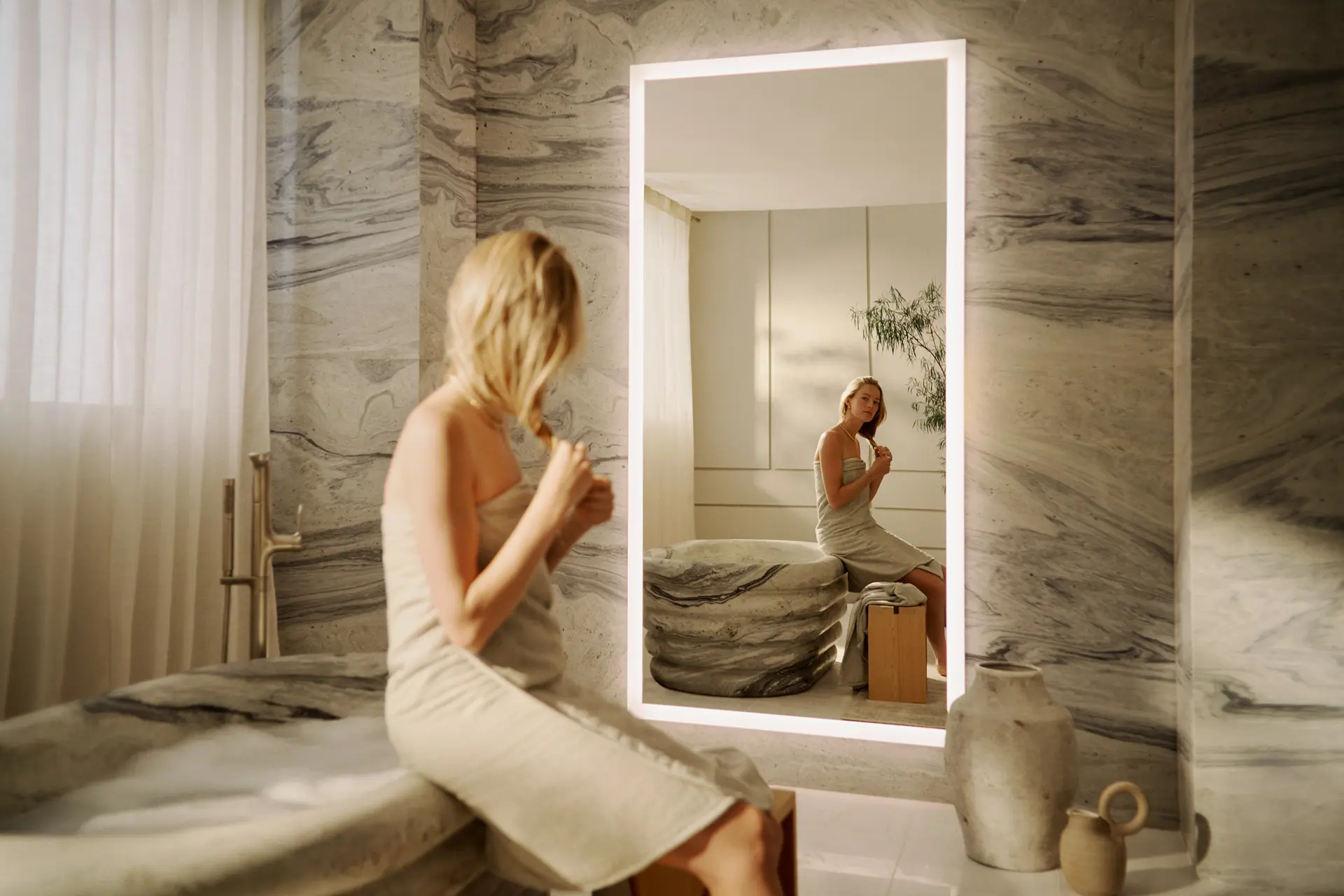
Woman in a wrapped towel seated before a backlit mirror in a veined marble bathroom
$1M+
Program investment
~7,000
SKUs
71
Collections
14
Product categories
100+
Page types / templates
15+
Cross-functional stakeholders
01

The Context

One website. Two product businesses. An enterprise infrastructure underneath both.

Kallista’s portfolio is organized largely around plumbing collections and systems. Robern includes products such as highly configurable modular cabinetry, mirrors, vanities and lighting—with combinations of size, finish, material, lighting, storage, accessories and upgrade options.

The objective wasn’t simply to put both catalogs under the same URL. The new experience needed to make the combined portfolio feel like one broader luxury-home proposition while making complex products easier to discover, understand, configure and specify.

At the same time, the site needed to work within Kohler’s broader enterprise technology strategy and underlying data infrastructure.

Kallista

Collection-led plumbing portfolio

  • Collections
  • Plumbing systems
  • Coordinated fittings
  • Cross-category specification

Robern

Configuration-led modular portfolio

  • Modular systems
  • Multiple sizes
  • Materials + finishes
  • Lighting options
  • Accessories
  • Upgrade configurations

One customer experience

Woman fastening an earring, reflected in a round Kallista mirror
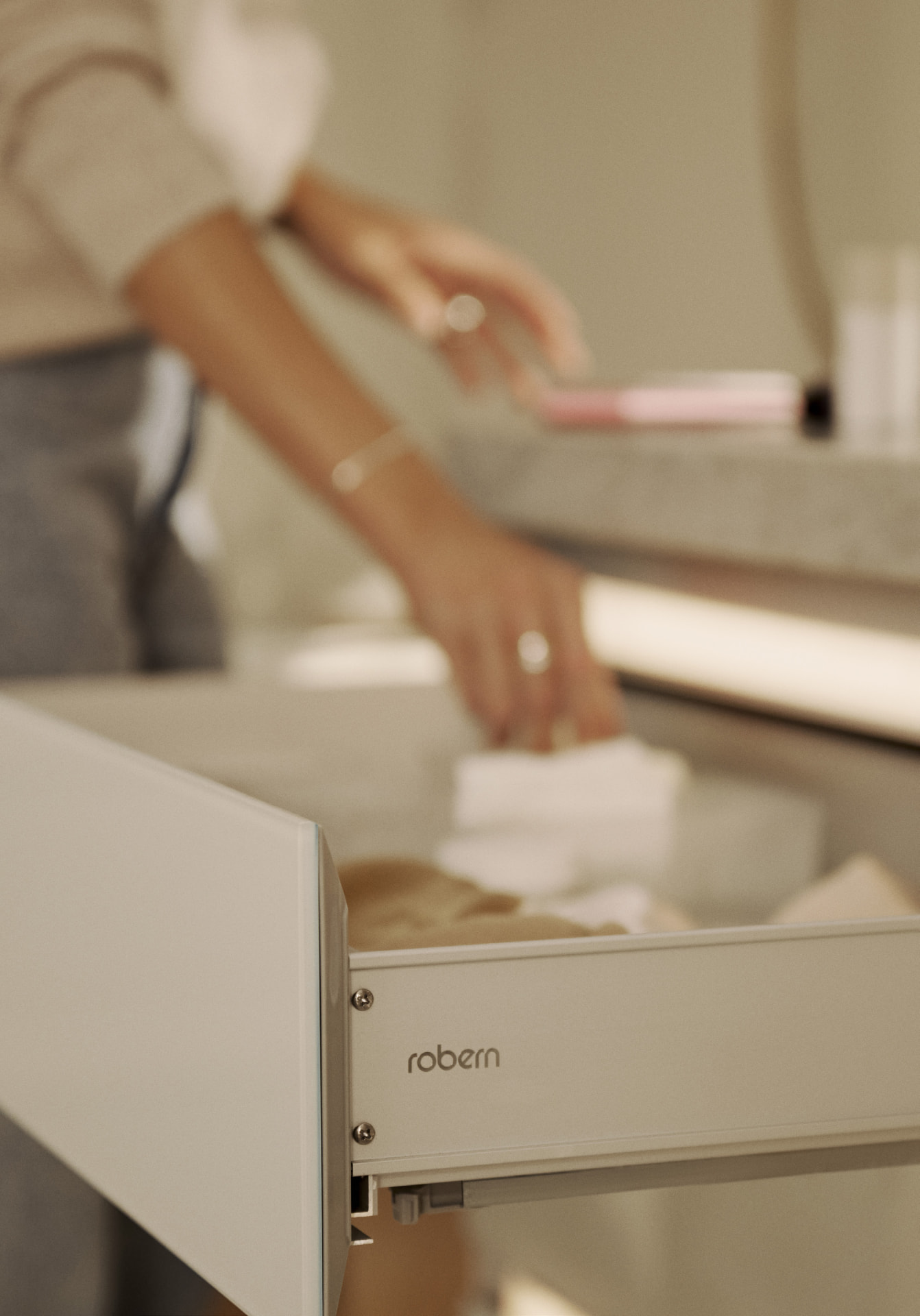
Hand reaching into an open Robern vanity drawer
02

The Complexity

The visible experience sat on top of a much larger system.

Leading the program meant understanding these systems deeply enough to evaluate implications, ask the right questions and make informed tradeoffs across customer experience, product data, functionality, operating requirements, cost and timeline.

Several systems were inherited. Others were being replaced or newly introduced. The new CMS was selected through an RFP process I helped lead. Previously, product managers built spreadsheets by hand and fed them to the website via JSON. The new model pulled product information directly from the existing PIM instead.

The DAM was inherited, but thousands of assets required migration and new governance. New search and product-configuration capabilities were being introduced. And all of it had to coexist with Kohler’s broader enterprise architecture.

The ecosystem beneath Kallista.com 2.0

  1. 01PIMProduct information
  2. 02DAMDigital assets + rights
  3. 03CMSAuthored content
  4. 04SearchDiscovery
  5. 05Product ConfiguratorComplex product selection
  6. 06Enterprise Data InfrastructureKohler Co.
  7. 07Kohler Design SystemShared components
  8. 08Content + MerchandisingBrand operations
  9. 09UX / Front EndThe visible experience

Inherited

  • PIM
  • DAM
  • Enterprise data structures
  • Two underlying product taxonomies
  • Parent-company systems

New / Transformed

  • CMS
  • Search experience
  • Product configuration
  • Content model
  • UX system
  • Governance + workflows
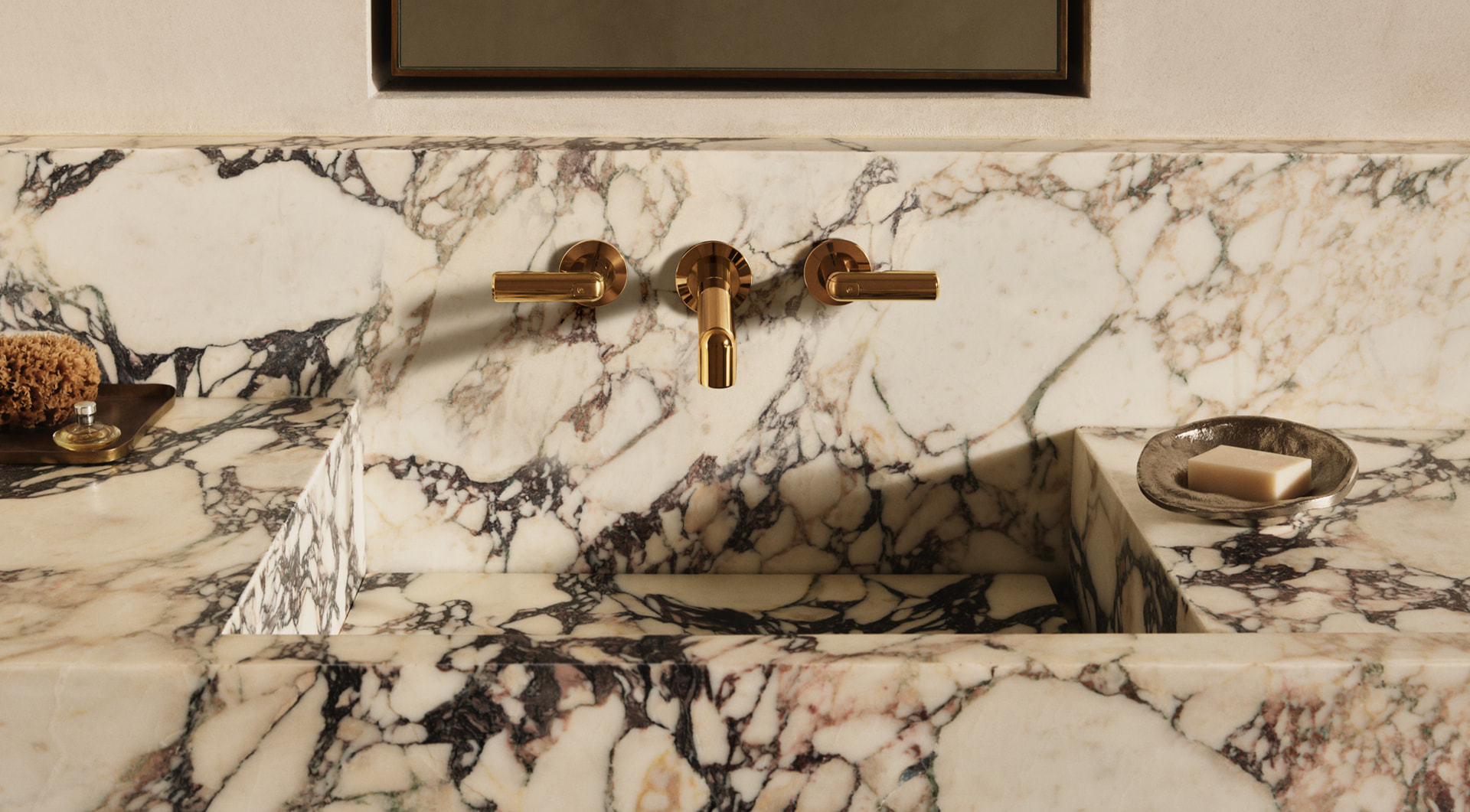
Overhead view of a Calacatta marble sink with sculptural brass wall-mount faucets
03

The Approach

Make every tradeoff explicit.

Complex programs rarely fail because every stakeholder wants the wrong thing. They become difficult because different teams are optimizing for different outcomes.

Brand
A distinctive luxury experience.
Product
Highly complex products represented accurately and robustly—while eliminating an unsustainable manual publishing process.
Sales
An experience that worked for showrooms, designers, specifiers and priority segments including hospitality.
IT
A simpler technology stack, better data infrastructure and lower enterprise-level cost.
Luxury Portfolio Leadership
Aesthetics above all.

My role was to make the consequences of those competing priorities visible.

Instead of debating preferences in isolation, I repeatedly brought decisions back to their implications:

  • If X makes MVP, what does that mean for Y?
  • If we choose this enterprise platform, what does it do to everyday operating complexity?
  • If we add this feature now, what changes in cost or timeline?
  • If a milestone slips, which downstream workstream moves with it?
  • What has to be true at launch—and what can responsibly follow?

“Alignment became easier when the conversation moved from preference to consequence.”

The decision framework

  1. Customer value
  2. Business value
  3. Technical complexity
  4. Operating reality
  5. Time / cost

Recommendation

Project Governance

Decision rights, review cadence and clear consequences for missed milestones.

Early in the program, I worked with the team to establish decision rights, review cadence and clear consequences for missed milestones. That structure mattered because design decisions quickly became technical requirements, technical requirements affected cost and schedule, and late changes could cascade through the entire program.

The program charter named me the primary brand representative, lead for UX/UI and agency support, and main conduit to the General Manager — coordinating stakeholders across multiple US time zones, London and India.

Design sprint · 1 week

  1. Design review
  2. Feedback + workshopping
  3. Revision

Tech sprint · 1 week

  1. Requirements · Dependencies · Ownership
  2. User stories + acceptance criteria
  3. Architecture / development backlog

Alongside

  • Biweekly executive reviews
  • Monthly steering reviews
  • Cross-functional action plan

Chameleon design reviews · Figma feedback · Technical workshops · User stories + acceptance criteria

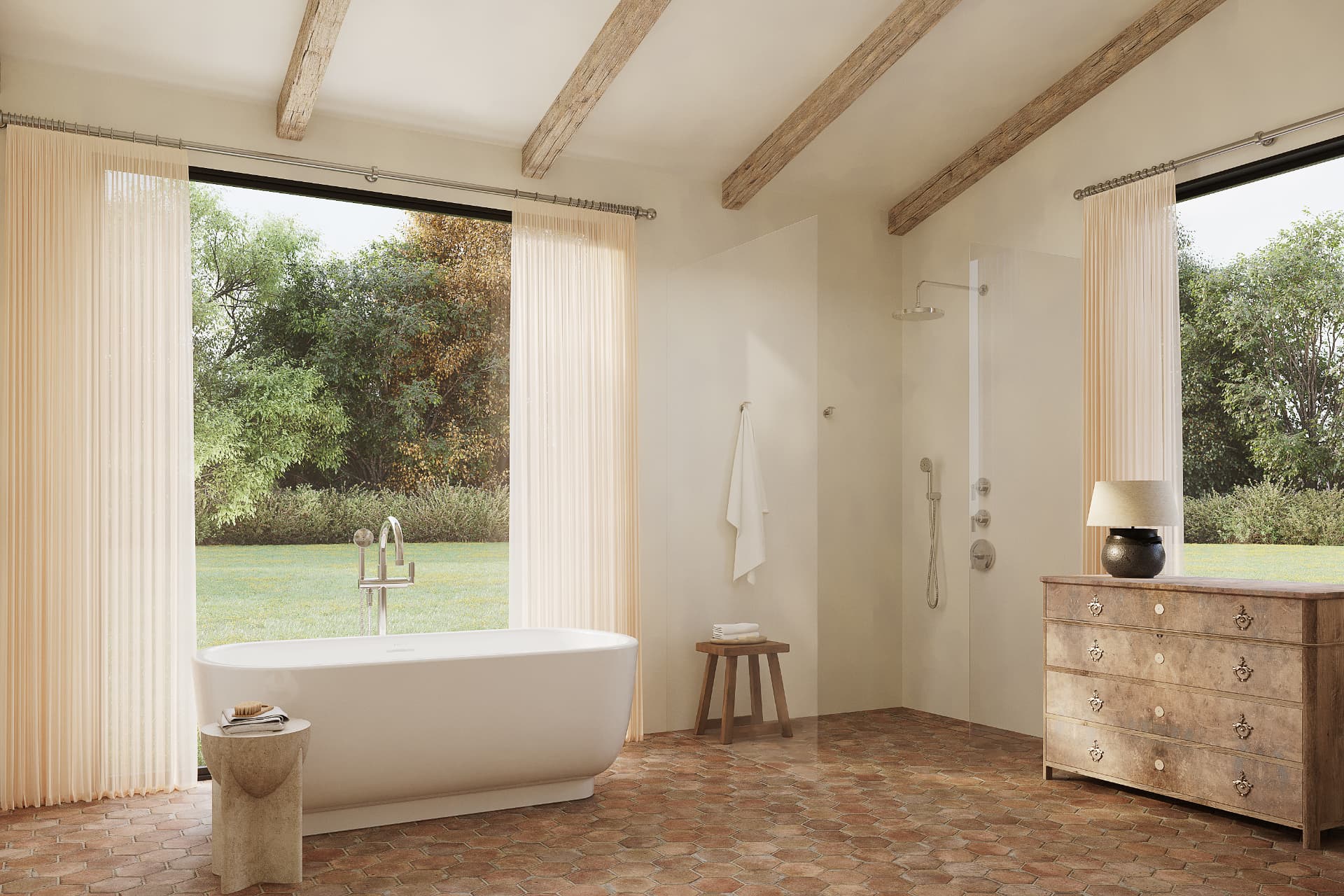
Freestanding tub in a light-filled bathroom with garden views and exposed beams
04

The Decisions

The work was often deciding what not to build.

Decision 01

Bespoke merchandising vs. sustainable merchandising

Leadership initially wanted a highly bespoke merchandising experience across the site.

Across roughly 7,000 SKUs, however, individually curated product relationships would create an enormous maintenance burden for a small content team. Over time, that same ambition could backfire — producing outdated recommendations and inconsistent content instead of a better customer experience.

I recommended limiting MVP merchandising to a manageable schema: thoughtful collection-level relationships supplemented by dynamic and curated recommendations where they could be sustainably maintained.

The more constrained approach was approved.

Design for the experience. Also design for the team that has to run it.
Decision 02

Enterprise efficiency vs. luxury differentiation

Kohler's global design system offered significant benefits in speed, development efficiency, consistency and cost.

But after evaluating the tradeoffs, we concluded that relying on it as the primary design foundation would not give Kallista sufficient flexibility to deliver the luxury experience leadership expected.

The decision wasn't "standardization is bad" — it was figuring out where enterprise reuse created value, and where differentiation was worth the extra effort.

Decision 03

MVP vs. future experience

A robust logged-in customer experience was strategically valuable because different customer types had very different needs—and those needs would become even more important once direct ecommerce was activated.

It was also technically complex.

Rather than forcing it into an already aggressive MVP timeline, I led prioritization discussions with Allison and executive leadership around what truly had to be true at launch versus what could responsibly follow.

The logged-in experience was deferred for later development.

Additional MVP constraints

  1. 01Consistent bespoke assets across thousands of SKUs could not be delivered within available time and budget.
  2. 02Cross-site content variation was intentionally limited until sustainable ownership and governance were established.
  3. 03The architecture needed to preserve future ecommerce capability without requiring direct transactions at initial launch.
05

The System

Designing for what customers see—and what the organization has to maintain.

The redesign also changed how the organization would operate the site.

That manual spreadsheet-to-JSON workflow was one of the clearest signs the old CMS was disconnected from Kohler's broader data infrastructure. The new model connected product information directly to the PIM, reducing manual intervention and creating a more scalable foundation for maintaining thousands of product records.

We separately defined what content should be dynamically generated and what needed to be authored by the brand. Approximately 400 authored pages and content fragments required creation or migration, in addition to dynamically driven product pages.

The operating model had to answer

  1. 01Who owns this content?
  2. 02Where does the data originate?
  3. 03Is it authored or dynamic?
  4. 04How does a new product launch update the page?
  5. 05What happens when a product is discontinued?
  6. 06Who maintains cross-merchandising?
  7. 07Where do approved assets live?
  8. 08How do image rights affect publication?
  9. 09What gets handed to development?
  10. 10How will the experience be maintained after launch?

Dynamic

Generated from product data

  • Product attributes
  • Specifications
  • Pricing / data fields where applicable
  • Product imagery + data
  • Accessories + relationships where rules allow

Authored

Written and curated by the brand

  • Brand storytelling
  • Collection narratives
  • Editorial content
  • Projects
  • Designer partnerships
  • Campaign content
  • Service + resource content

Governance connects the two

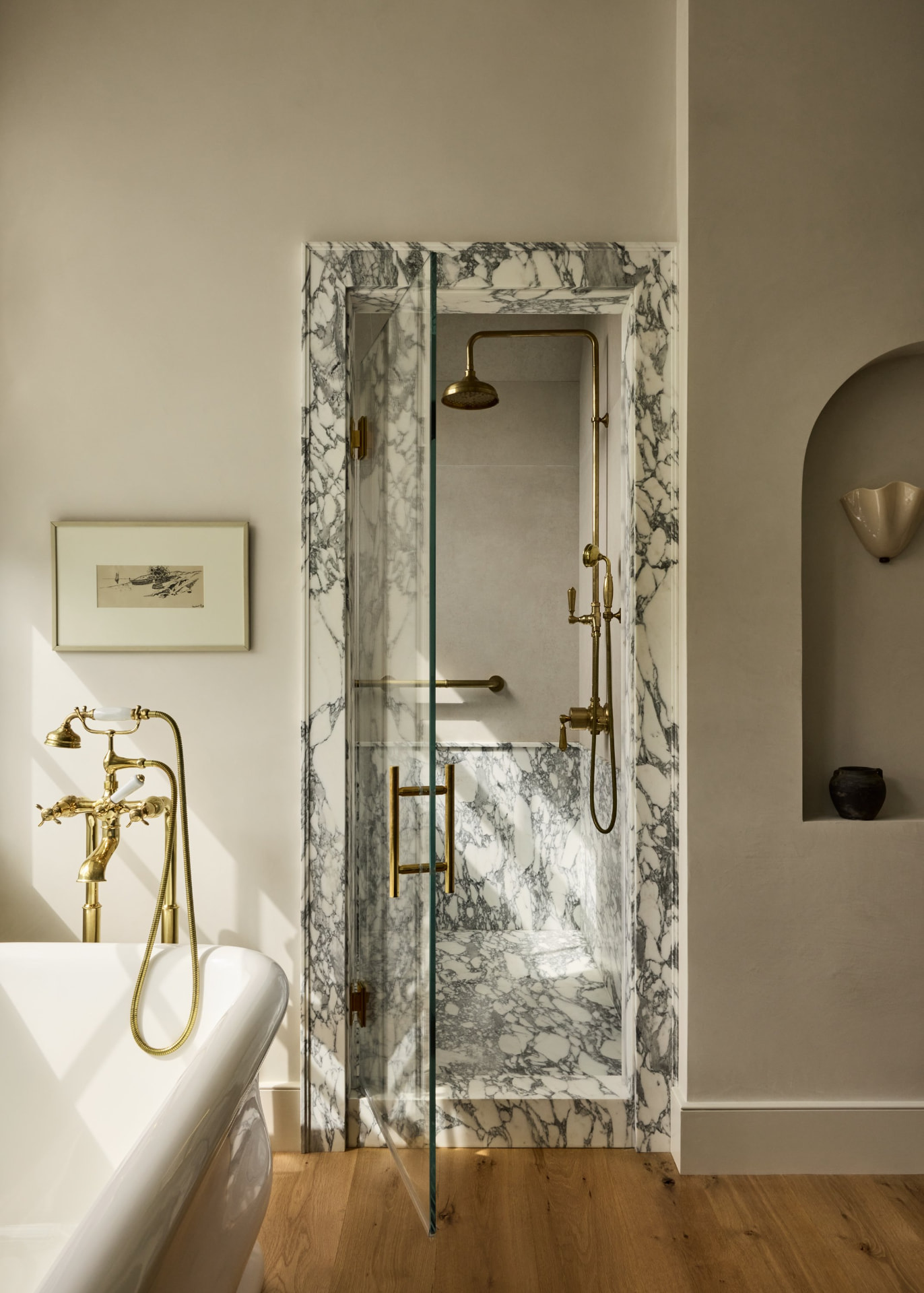
Primary bathroom with marble-clad shower, freestanding tub and brass fixtures
Hand reaching for a brass wall-mount faucet over a white basin

A Parallel Dependency

Building the experience while the brand itself was still being defined.

The project also began before Construct’s Kallista + Robern brand work was complete. The business timeline did not allow UX to wait.

We therefore sequenced design deliberately—advancing the structural and functional work least likely to change while leaving room for the emerging visual and verbal identity to reshape the areas where brand expression mattered most.

That required ongoing translation between the UX agency, brand work, IT and executive leadership—and ultimately some redesign as the new brand platform became clearer.

Brand

  • Positioning
  • Identity
  • Voice
  • Art direction

Digital

  • Architecture
  • UX
  • Technical requirements
  • Content model

Kallista.com 2.0

Minimal double-sided vanity closet with marble surfaces, brass fixtures and soft natural light
06

The Impact

From ambiguity to an approved, development-ready experience.

The original mandate targeted an approximately 10-month transformation timed around Salone 2026. I raised concerns early that the scope, resources and dependencies made that timeline unrealistic.

By the time I left the business, the launch date had already shifted—but the program had moved from an ambitious merger mandate to a defined digital system with an approved customer experience and an executable path toward development.

I left before development and launch were completed. The state below reflects the program at my departure, not post-launch results.

State at departure

UX Design
Approved
CMS
Selected
Content Model
Defined
Content Migration
Underway
~400 Authored Pages + Fragments
In active development / migration
Technical Documentation
In progress
User Stories + Acceptance Criteria
In progress
Development
Preparing for handoff / not yet begun

My Role

  • Formal brand-side owner of the digital experience
  • Balanced customer and business priorities across every UX/UI decision
  • Primary conduit between the project and the General Manager
  • Developed and pitched program investment and budget recommendations
  • Led the UX agency search and RFP; selected Chameleon
  • Led the Chameleon relationship and approved work before executive review
  • Led design reviews, critiques and prioritization discussions
  • Developed recommendations for executive decision-making
  • Drove alignment across brand, product, sales, customer service, IT, UX and luxury portfolio leadership
  • Established decision rights, milestones and escalation expectations
  • Evaluated customer, technical, cost, timeline and operating implications of major decisions
  • Led the CMS selection process
  • Defined content strategy and the authored-vs-dynamic content model
  • Oversaw DAM migration from the brand and content side
  • Led sustainable merchandising and content-governance strategy
  • Managed content delivery planning toward development

Partners + Specialist Teams

Allison Riehle drove project coordination with technical and development teams. Chameleon designed the UX/UI. Cognizant served as development partner, with Kohler engineering as the bridge into enterprise technology and data requirements. Construct London led the parallel brand work. I did not engineer integrations, design the screens or code the website; my role was to understand the technical, product, organizational and customer implications deeply enough to lead the people who did.

Project Details

Client
Kallista + Robern / Kohler Co.
Program
Kallista.com 2.0
Investment
$1M+
Scope
~7,000 SKUs · 71 collections · 14 product categories · 100+ page types/templates · ~400 authored pages + content fragments · 15+ cross-functional stakeholders
UX Agency
Chameleon
UX Agency Engagement
Approx. $95K
Development Partner
Cognizant
Primary Workstreams
Digital Strategy · UX Leadership · Information Architecture · CMS Selection · Product Data · Content Architecture · Merchandising · Technical Requirements · Agency Leadership · Executive Alignment · Content Migration · Governance · Development Readiness

More Work

Explore more projects