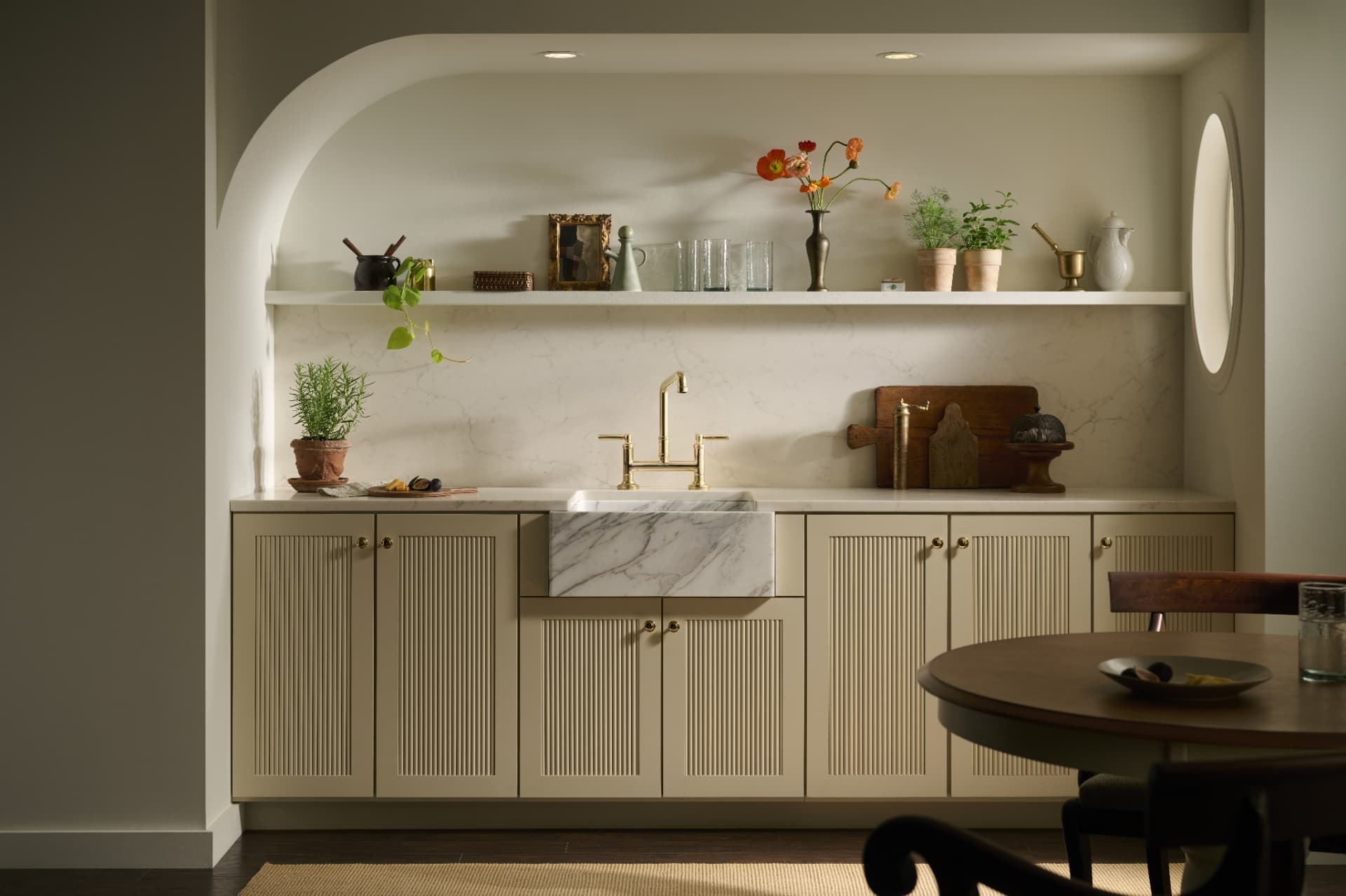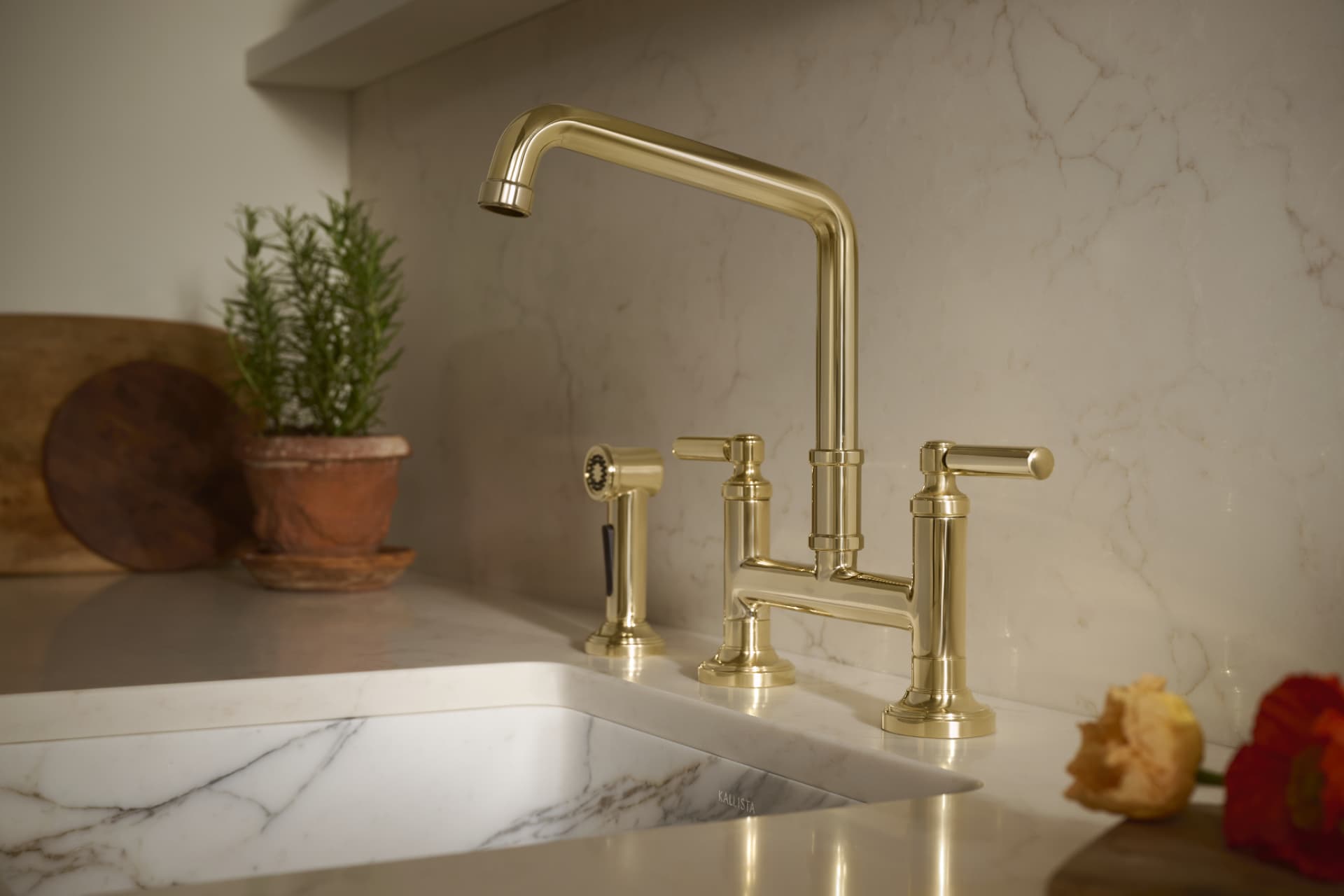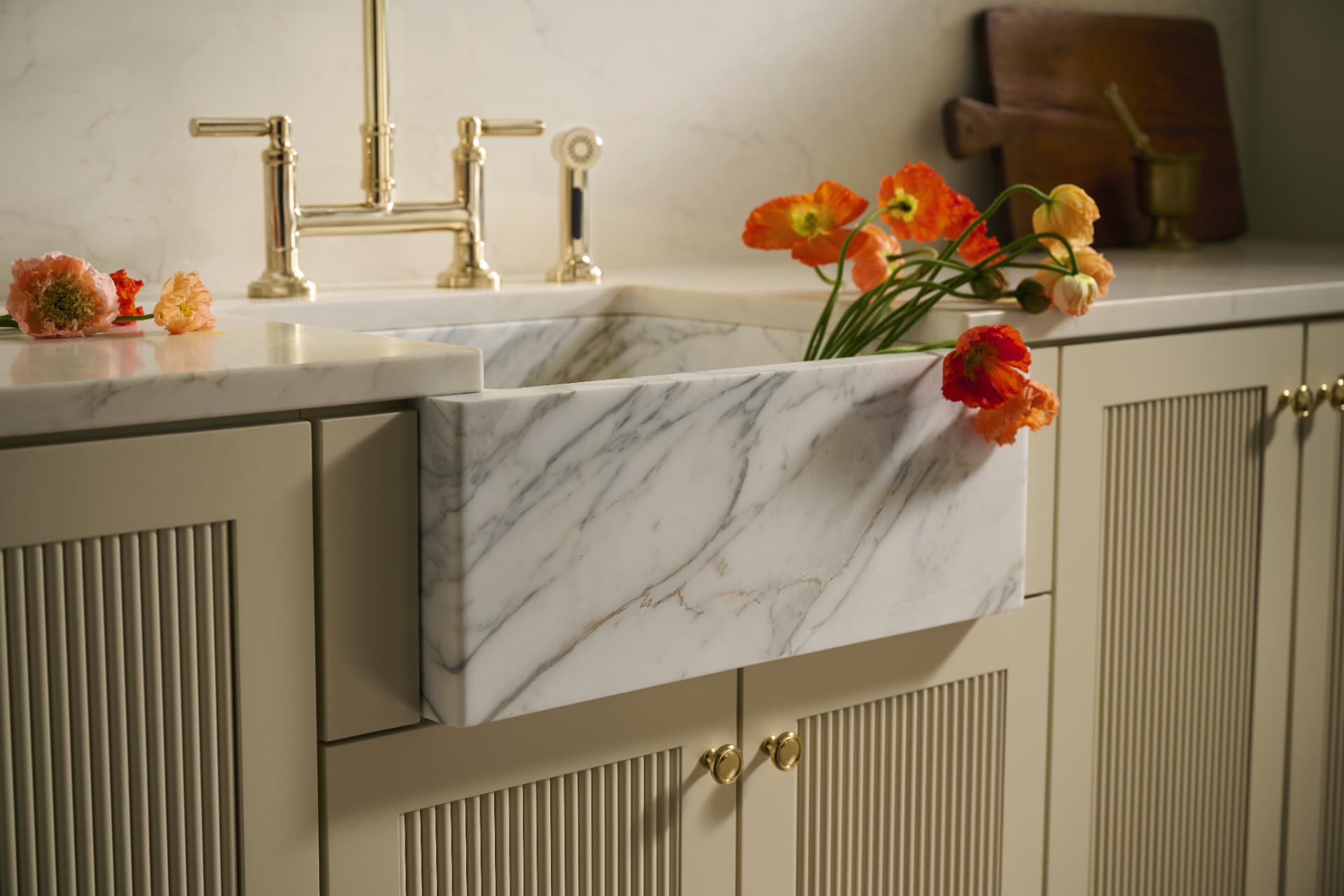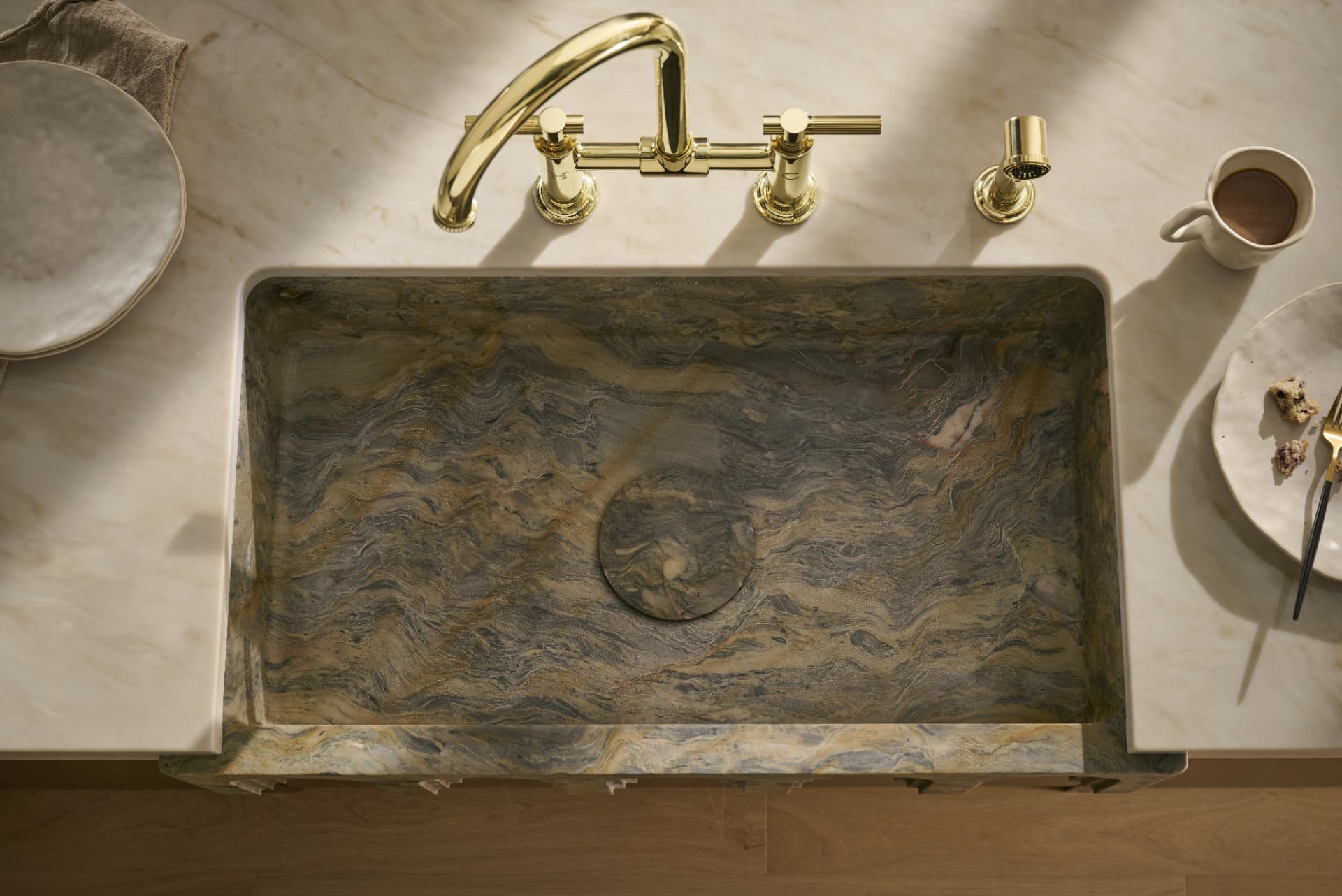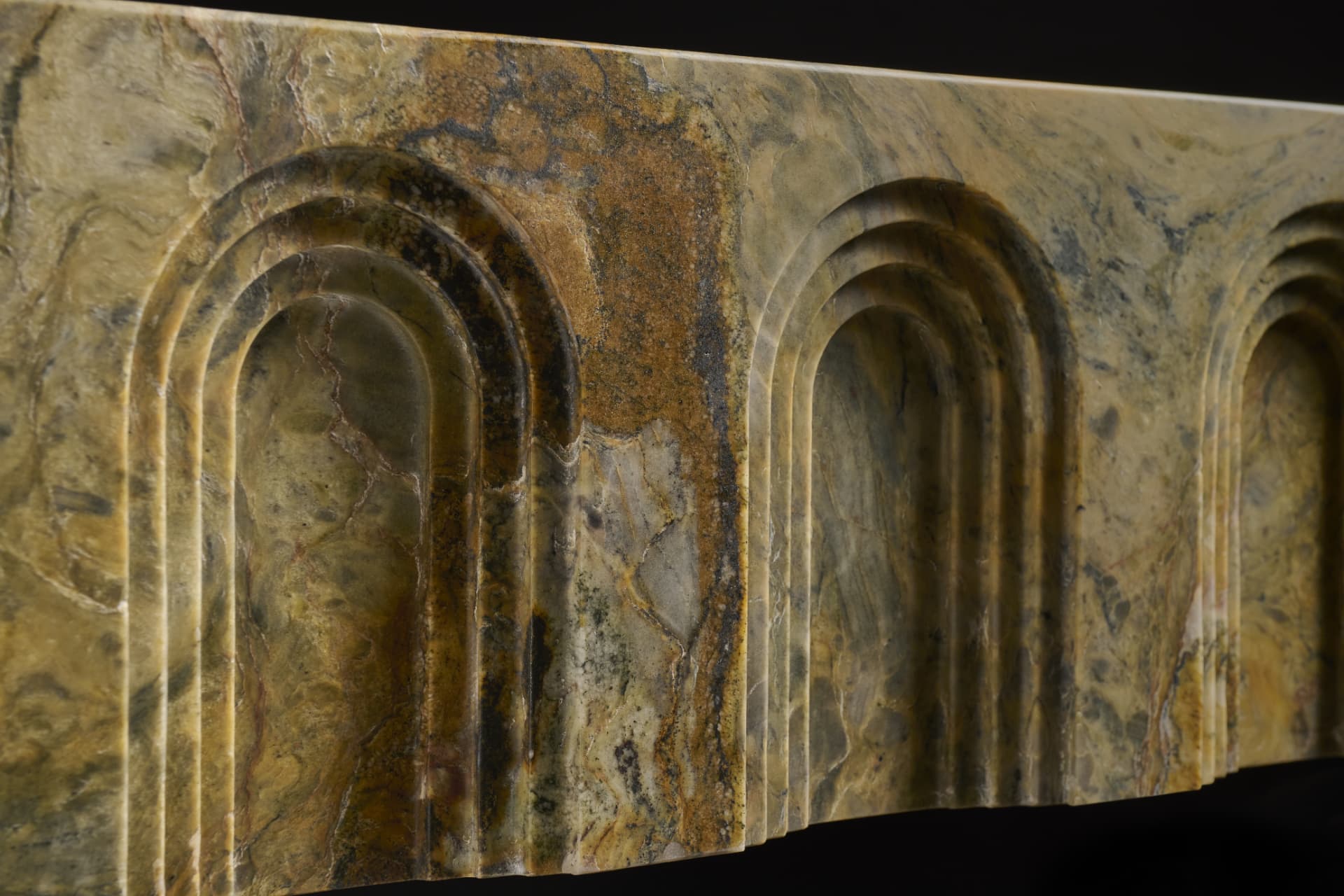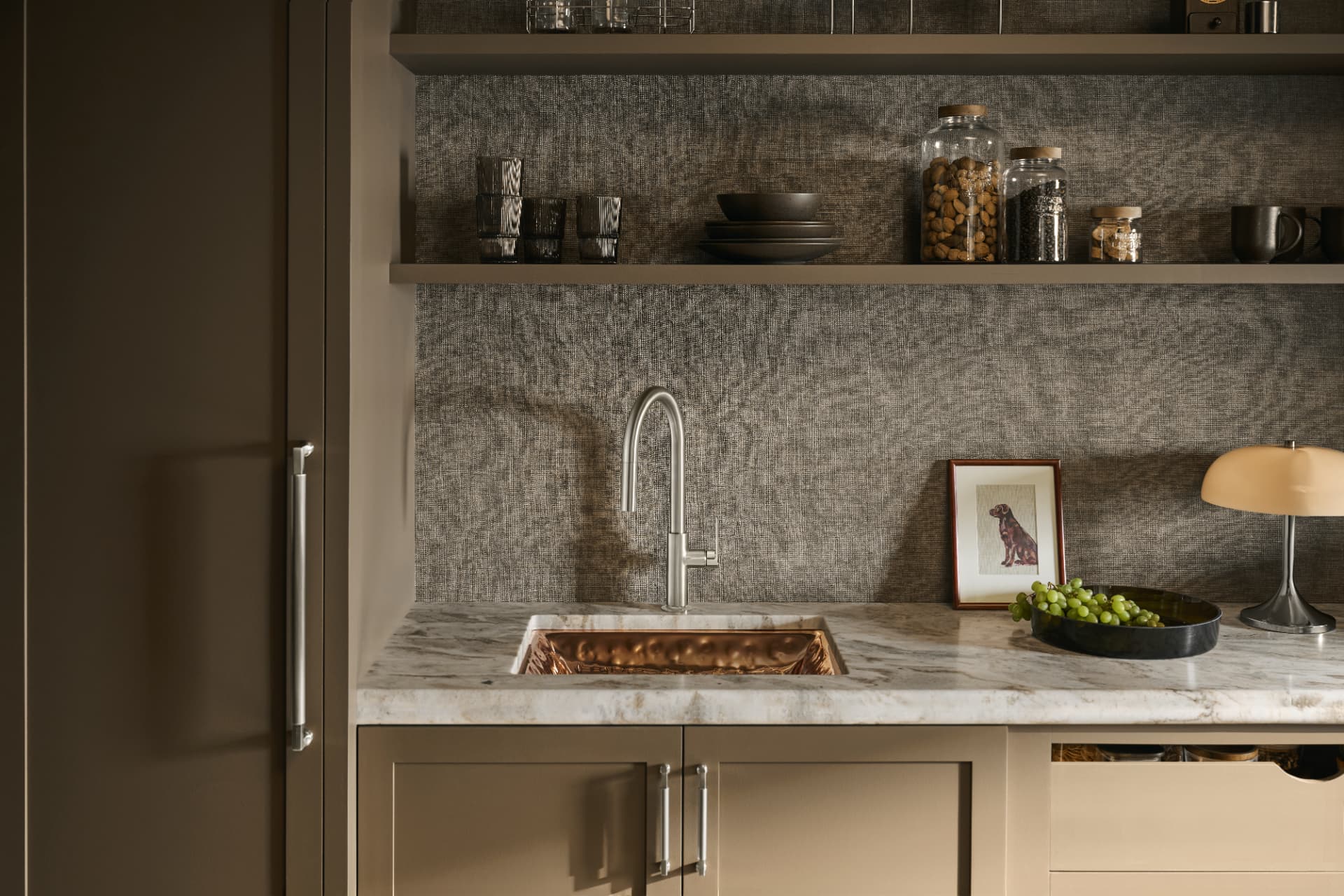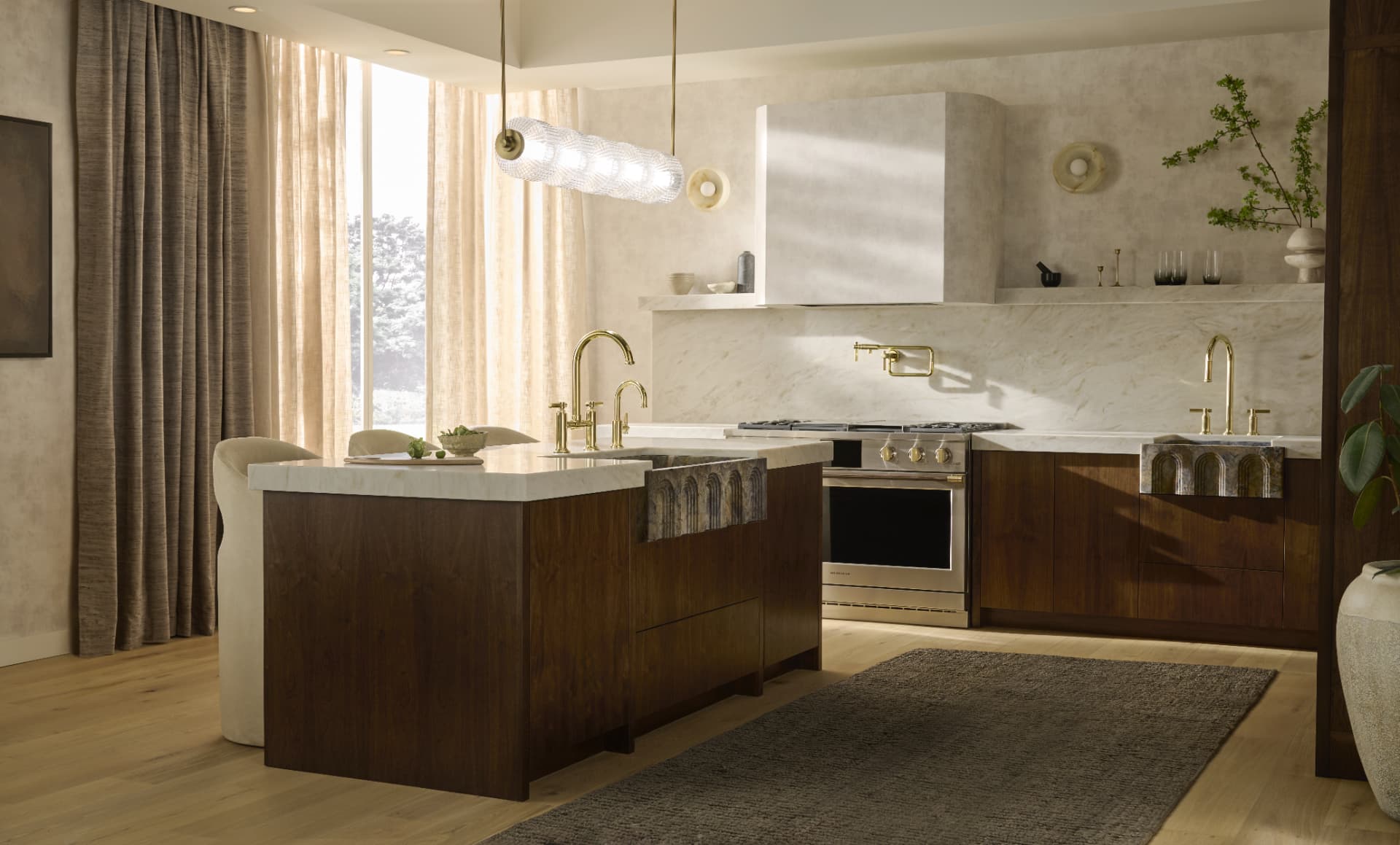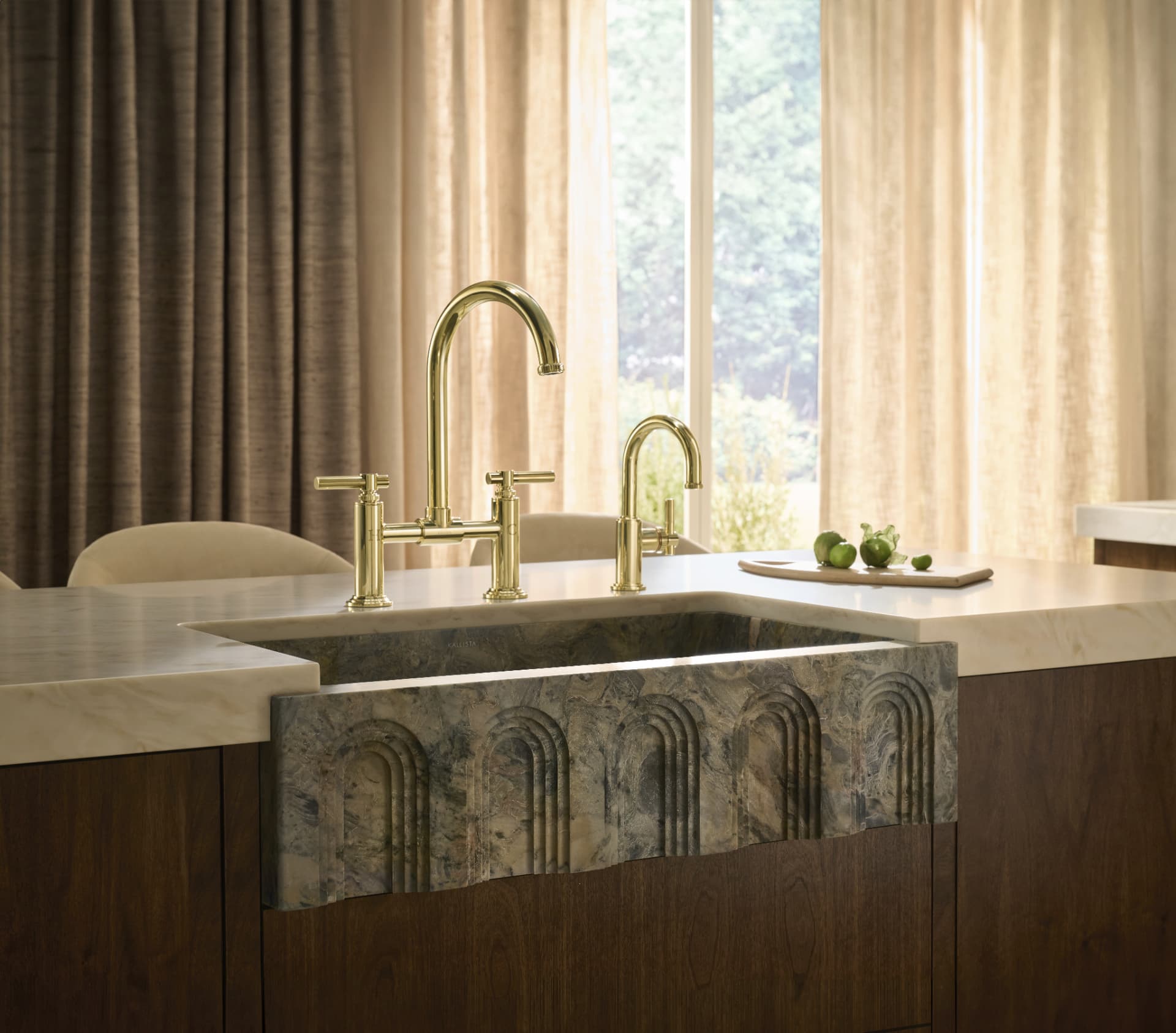

The Context
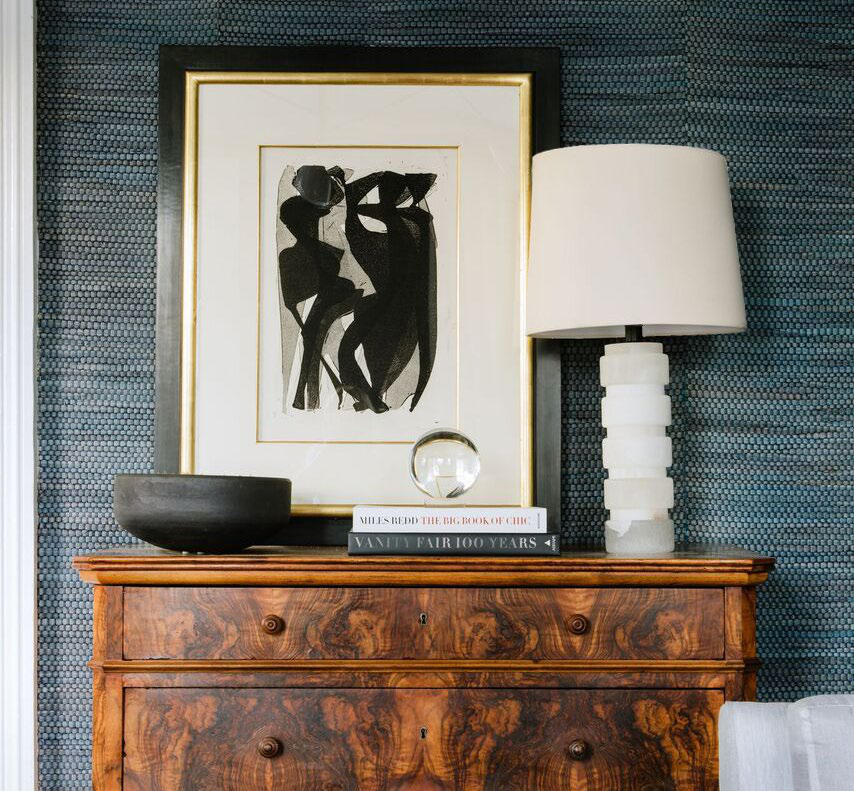
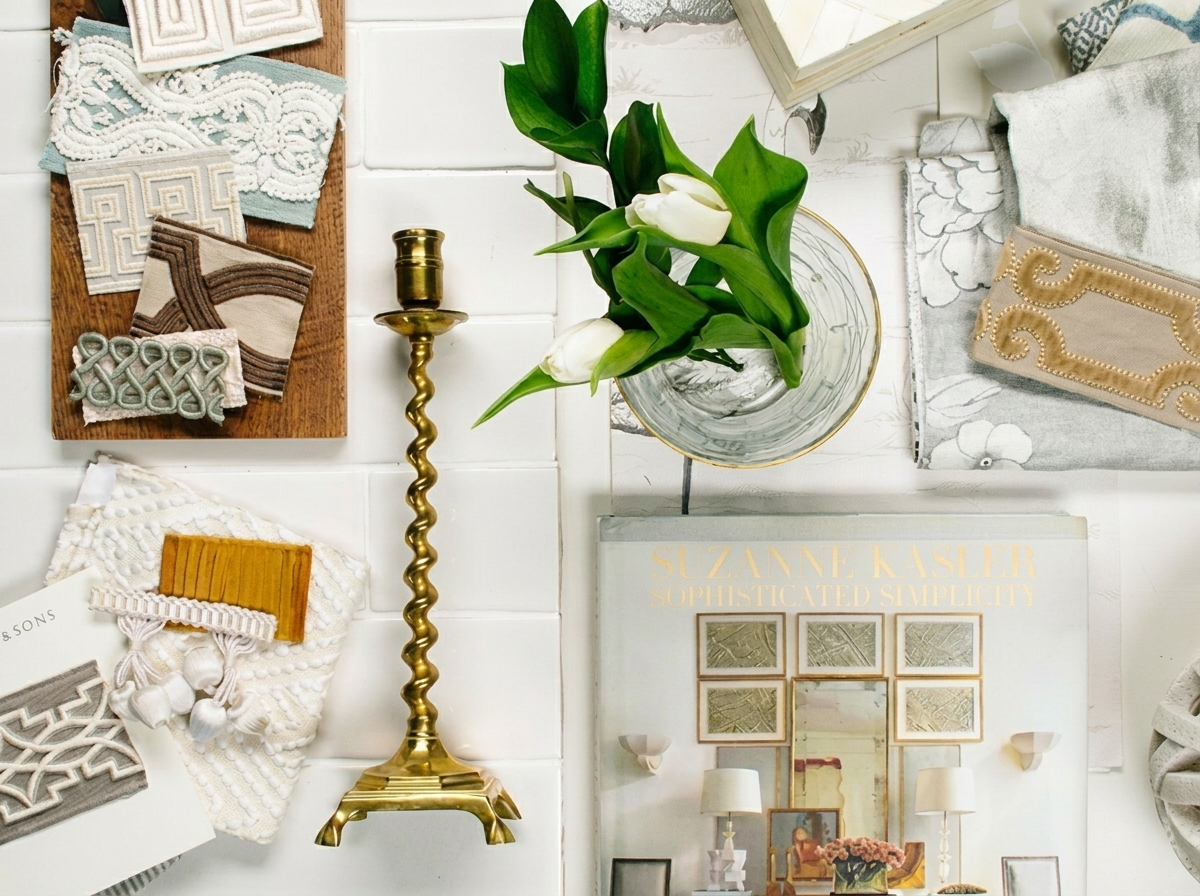
The creative carried unusual weight. Because Kallista sells primarily through third-party showrooms, the brand has limited control over the physical merchandising experience. Imagery, messaging, sales materials and digital merchandising therefore become critical tools for shaping perception, supporting showroom partners and helping customers understand the product.
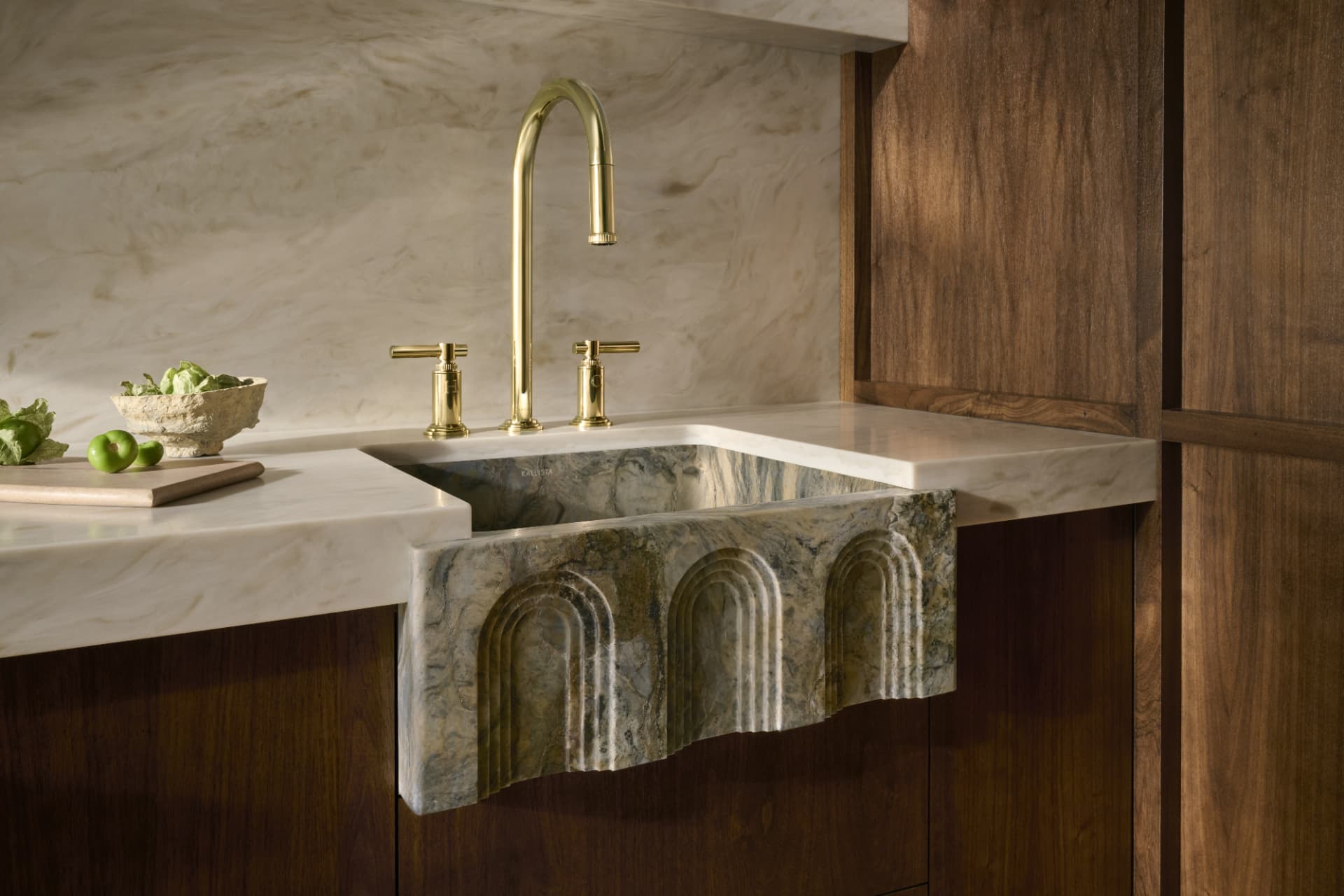
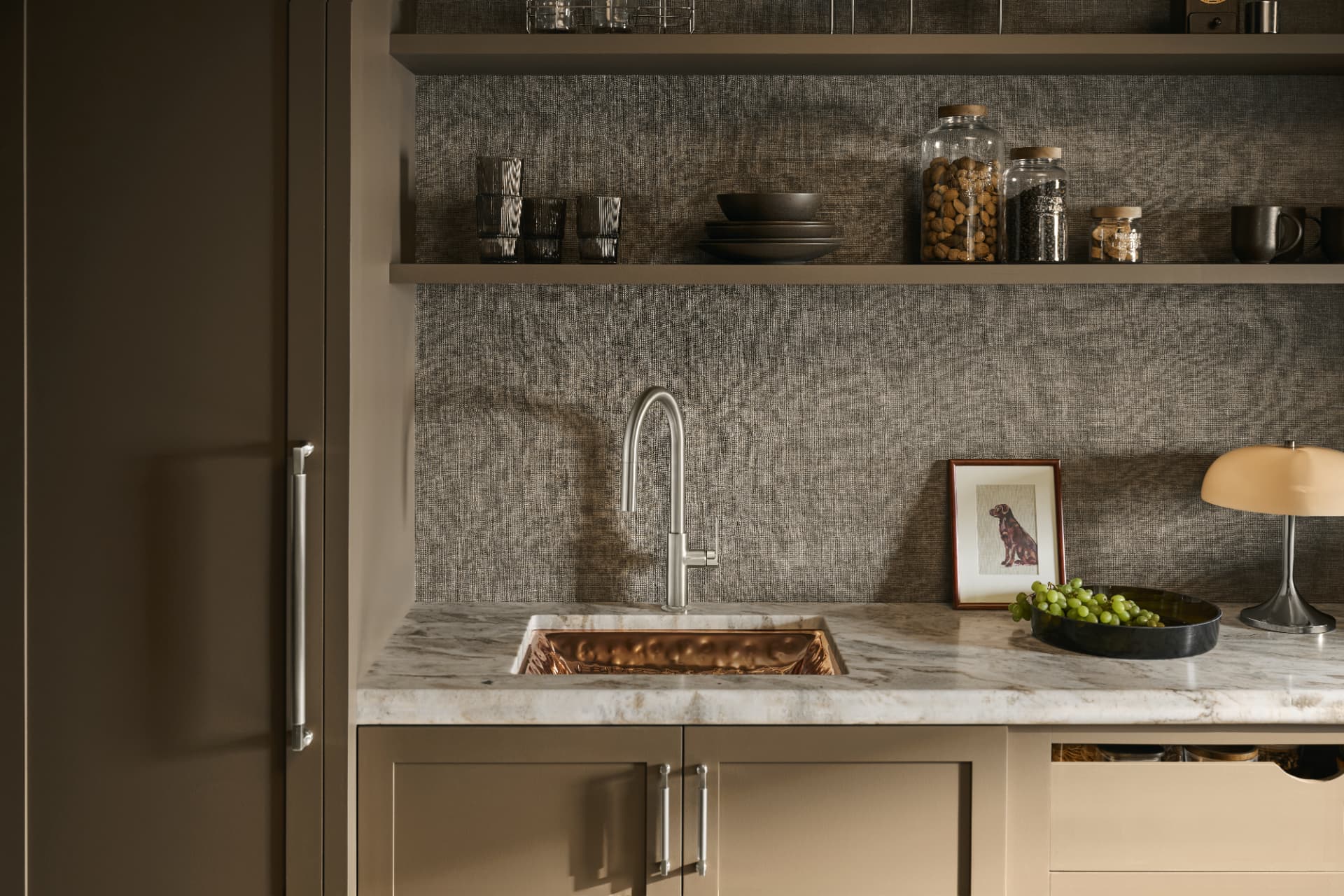
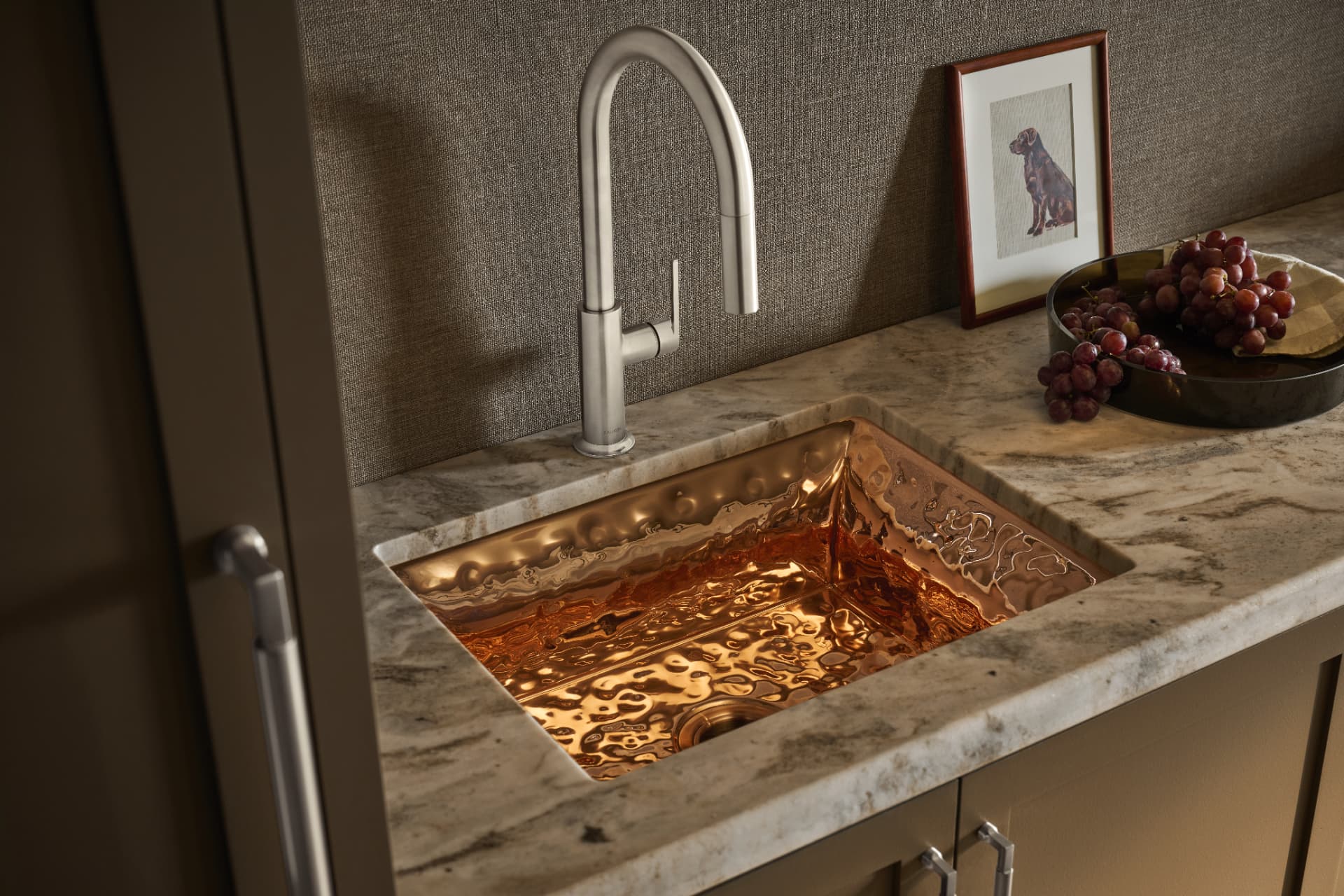
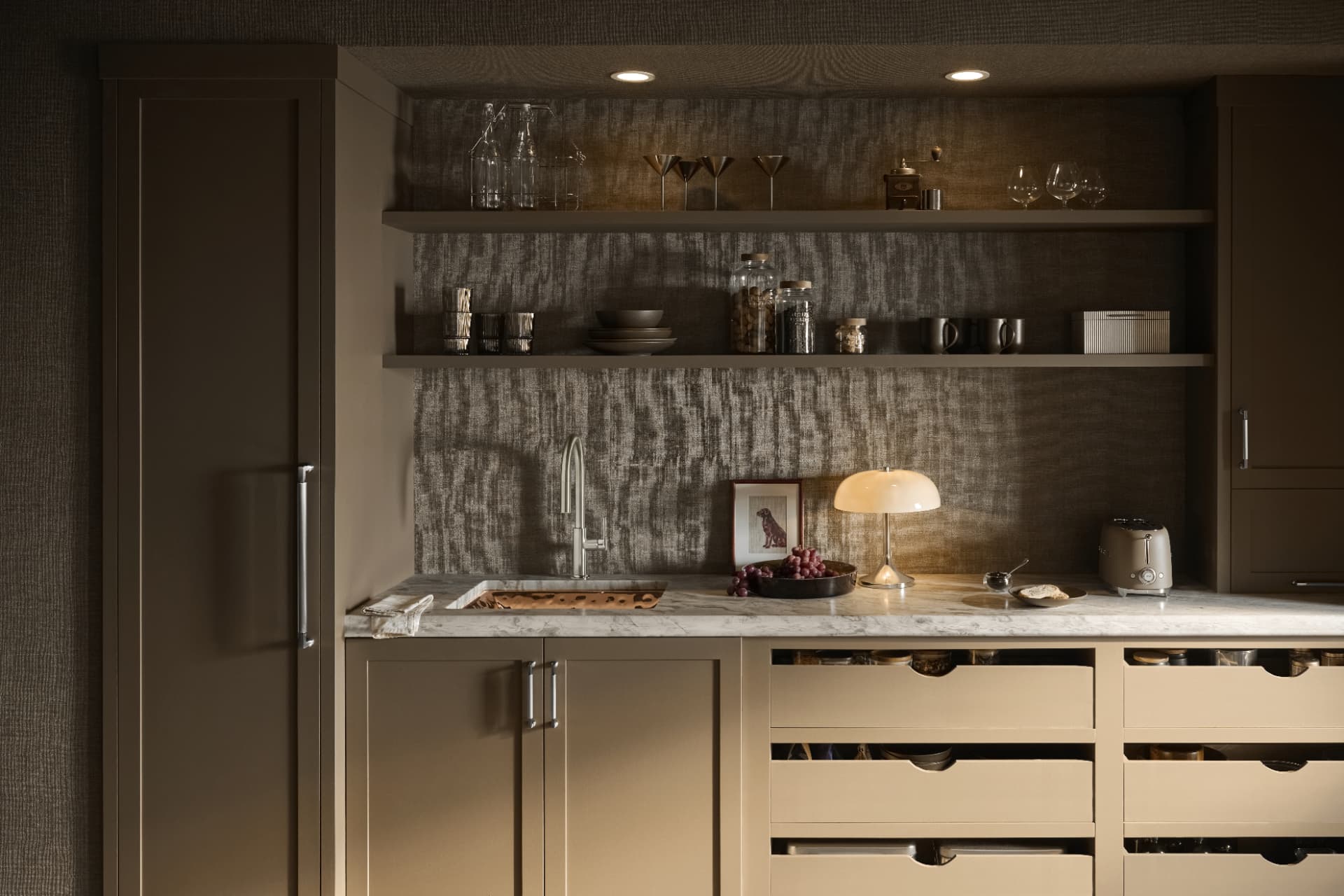
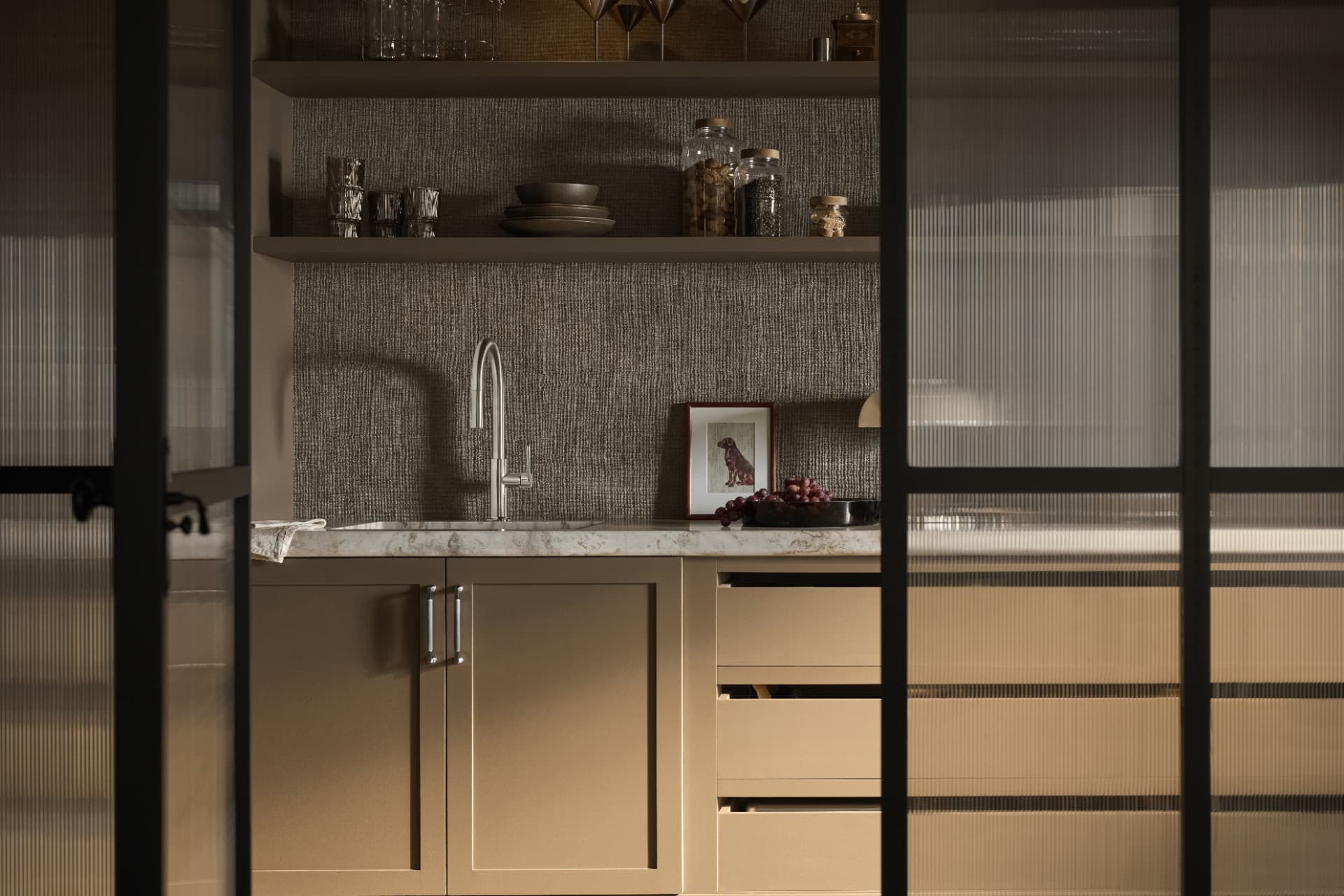
The kitchen launch raised that demand considerably. The work needed to establish Kallista credibly within the luxury kitchen category, communicate craftsmanship and design, equip showroom sales teams, elevate the digital experience and provide enough visual breadth to sustain paid, owned and earned marketing over time.
The existing production model, however, was too costly and inefficient to support the volume required. Rather than reduce the ambition, I saw an opportunity to redesign the model so Kallista could create significantly more content at the same luxury standard.

The Strategy
Change the production economics
I sourced a new production partner and negotiated a model designed around long-term value rather than a single shoot.
The new structure combined studio capabilities, set flexibility and perpetual asset rights—eliminating ongoing usage-renewal costs while creating opportunities to retain, adapt and reuse production environments over time.
The goal was not simply to spend less. It was to make every production dollar capable of doing more.
Build for scale from the beginning
I managed production from the brand side, aligned stakeholders and guided creative development around the realities of the broader marketing plan.
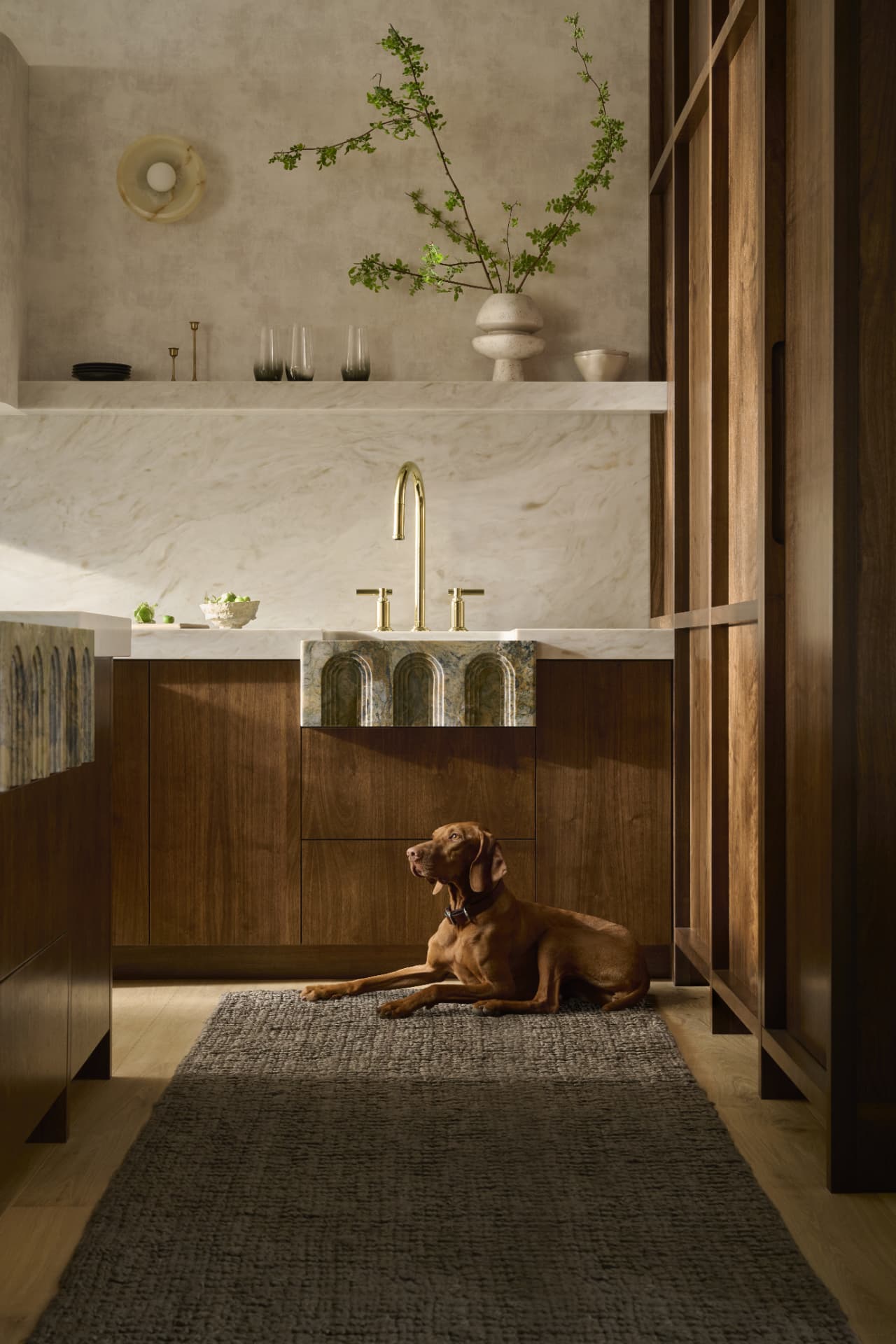
Every environment, angle and format was considered in terms of how the resulting content could travel across channels, campaigns and product stories.
That meant producing a library with enough variety to function as an ongoing marketing system rather than a collection of isolated hero images.
Turn the shoot into a category strategy
I then developed the integrated 2026 kitchen marketing strategy around the resulting content ecosystem.
Paid, owned and earned activity was designed to work together, connecting product launches with broader category storytelling across social, print, email, digital, PR and sales enablement.
The shoot became the creative foundation for the launch—not simply one of its deliverables.